Italian fashion powerhouses unite: Prada acquires Versace
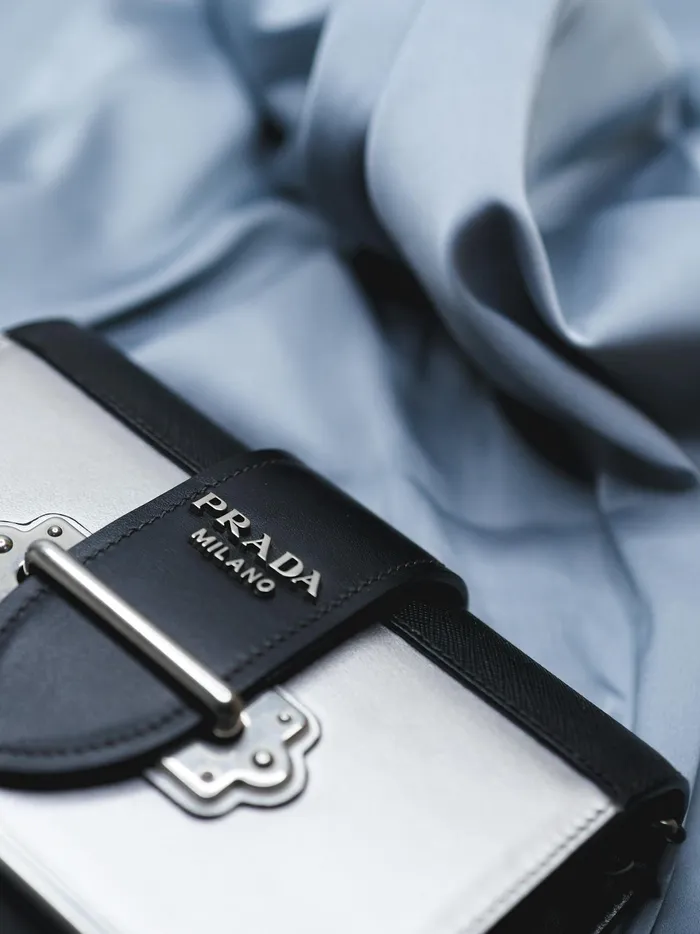
Prada has acquired Versace.
Image: Laura Chouette / Pexels
Hold onto your designer handbags because a massive shakeup just hit the luxury world.
The Prada Group, already a giant, has officially completed its acquisition of the iconic Italian house, Versace.
This isn't just a business transaction; it's a monumental moment that brings two of Milan's most famous, yet completely different, brands under one roof, fundamentally reshaping the Italian fashion landscape.
The price tag and why
So, how much did Prada shell out for the house of Medusa?
Reports indicate the deal closed for approximately $1.375 billion.
The question is, why did this transaction happen in the first place?
Essentially, Versace needed a boost, and Prada wanted to solidify its position as a major Italian luxury conglomerate capable of rivalling giants like LVMH and Kering.
Versace, despite its high profile, had previously been owned by the US-based Capri Holdings, which also owns Michael Kors and Jimmy Choo.
Versace’s sales were reportedly not meeting expectations post-pandemic, and its former parent company was looking to use the sale money to pay down debt and focus on its other core brands.
In short, Versace needed the strategic expertise, deep pockets, financial stability, and established manufacturing infrastructure that the highly successful Prada Group could offer to relaunch the brand and unlock its "untapped growth potential."
The move was never about changing Versace’s DNA, but about giving the house the corporate platform it desperately needed for sustainable, long-term success.

The move was never about changing Versace’s DNA, but about giving the house the corporate platform it desperately needed for sustainable, long-term success.
Image: Dmytro Bayer / Unsplash
Minimalist vs maximalist
The real fun in this deal is the contrast between the two powerhouses.
Prada is often characterised by its intellectual, minimalist, and "ugly chic" aesthetic, embodying a refined, northern Italian restraint that focuses on meticulous tailoring, experimental fabrics, and a subtle, often complex, sense of high fashion.
Versace is the complete opposite: unapologetic maximalist glamour.
It is bold, flashy, sensual, and celebrity-driven, famous for its baroque prints, gold Medusa logo, and unforgettable, sexy silhouettes, completely embodying southern Italian flamboyance.
This difference is actually a huge advantage for the new owners, as the two brands appeal to such distinct consumers that they complement each other perfectly within the Prada Group's portfolio, rather than competing for the same market share.
Donatella’s response
The sale was announced on a deeply personal day for the Versace family, a fact Donatella Versace noted in an emotional Instagram post.
“Happy Birthday, Gianni. Today is your day and the day Versace joins the Prada family. I am thinking of the smile you would have had on your face. I miss you, always,” she wrote.
This moving quote acknowledged the brand's late founder, Gianni Versace, while gracefully welcoming the new partnership as a positive and necessary step for the house he built.
It is worth noting that Donatella, who stepped down as Creative Chief earlier in the year, remains an essential part of the house as its brand ambassador, ensuring the Versace identity lives on.
The new Executive Chairman steering the brand’s next phase will be Lorenzo Bertelli, the son of Prada owners Miuccia Prada and Patrizio Bertelli, signalling the family-led investment in the future of the brand.
What the deal means
For Prada, this acquisition immediately strengthens its global standing, adding an instantly recognisable, high-impact brand to its portfolio, which already includes Miu Miu.
It provides a more diverse offering and a stronger footing to challenge the French-led luxury conglomerates.
For Versace, the brand gains a much-needed injection of capital, streamlined manufacturing expertise, and strategic planning necessary to relaunch its fortunes and scale its global reach without sacrificing its signature bold, glamorous style.
And finally, for fashion lovers, this means the maximalist, flamboyant fashion of Versace is likely safe and sound, backed by the industrial stability of the Prada Group.