
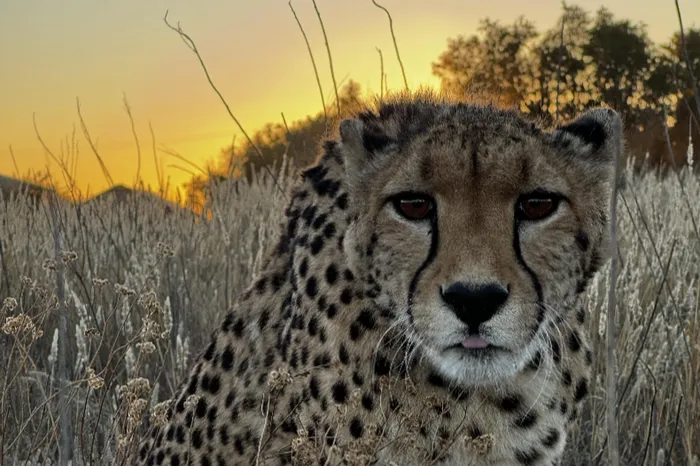
Lexi’s story reflects both the heartbreak and the hope that come with wildlife conservation.
Image: Supplied / Felidae
DECEMBER 4 is International Cheetah Day, a special day to raise awareness about the conservation of cheetahs, which are Africa's most endangered big cats.
Felidae, located just outside Kimberley, is a registered non-profit organisation dedicated to giving wild animals a second chance. Lexi is the only cheetah that is part of their conservation family at present.
Lexi's journey began when she and her brother Max arrived at Felidae as young cubs, separated from their mother in the wild. Despite the trauma they endured, the team at Felidae gave them the care and stability they needed. Sadly, Max passed away four years ago, leaving Lexi on her own.
With fewer than 7,000 cheetahs remaining in the wild, every genetically valuable female plays a crucial role in conservation efforts. Cheetahs are notoriously difficult to breed in captivity, but Felidae is determined to give Lexi a chance to contribute to her species.
A male cheetah was brought in from Bela-Bela, but Lexi rejected him. Now, she's been moved to a specialised breeding centre where she can choose her own mate, increasing the chances of successful breeding.
"For this reason, and with conservation as our priority, Lexi has now been moved temporarily to a specialised breeding centre where she will be introduced to different males. This gives her the freedom to choose a partner naturally, increasing the chances of successful breeding."
"Once we know whether Lexi accepts one of the males or not, she will return home to Felidae, where she will continue to be part of our conservation family," said Tercia Burger.
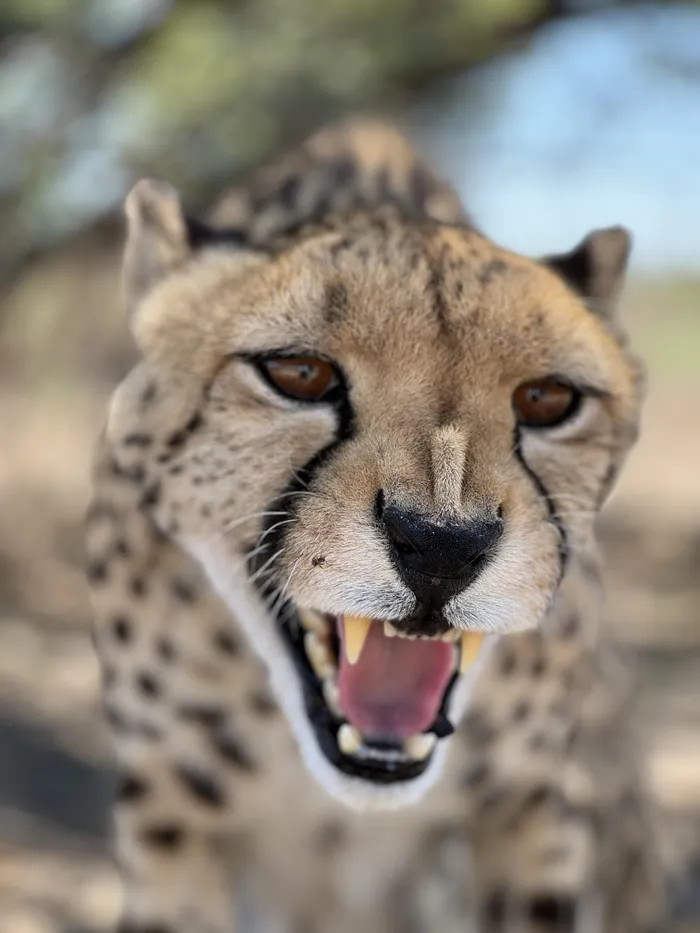
Those bold black "tear marks" reduce glare and help cheetahs see clearly during midday hunts.
Image: Supplied / Felidae
Join the conservation effort and learn more about Lexi and other big cats at Felidae's educational tours, held every Saturday at 11am. Bookings are available during the week. Contact 072 363 8773 or visit http://linktr.ee/felidae for more information.
Felidae relies on community support to continue its mission. Donate, volunteer, or spread the word to help protect South Africa's wildlife heritage.