Notable archaeological discoveries of 2025: A year of significant finds
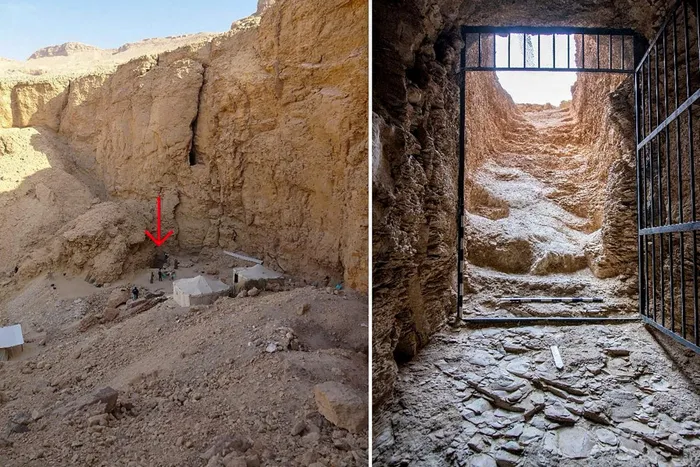
These handout pictures released by the Egyptian Ministry of Antiquities on February 19, 2025 show the entrance to the tomb of King Thutmose II in Luxor in southern Egypt. Egypt's antiquities authority says it has found the ancient tomb of King Thutmose II, the first royal burial to be found since the famed discovery of Tutankhamun's tomb in 1922. The tomb, discovered near the Valley of the Kings in Luxor in southern Egypt, belonged to King Thutmose II of the 18th dynasty, who lived nearly 3,500 years ago.
Image: AFP Photo / Handout / Egyptian Ministry of Antiquities
The world’s most notable archaeological discoveries in 2025 include the first pharaoh’s tomb found in over a century, a Maya ruler’s jade mosaic mask, evidence that humans mastered fire 350,000 years earlier than previously thought, a rare Pompeii fresco, the world’s oldest mummies, and the earliest known objects arranged to tell a story.
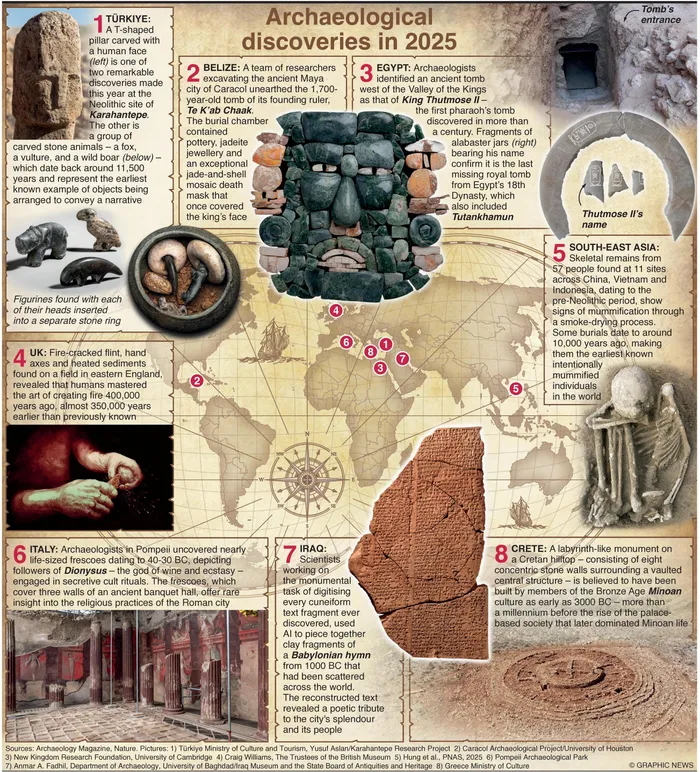
Graphic pinpoints the best archaeological news stories from 2025.
Image: Graphic News
Archaeological highlights of the year feature the following finds:
1. TÜRKIYE: A T-shaped pillar carved with a human face is one of two remarkable discoveries made this year at the Neolithic site of Karahantepe. The other is a group of carved stone animals – a fox, a vulture, and a wild boar – which date back around 11,500 years and represent the earliest known example of objects being arranged to convey a narrative.
2. BELIZE: A team of researchers excavating the ancient Maya city of Caracol unearthed the 1,700-year-old tomb of its founding ruler, Te K’ab Chaak. The burial chamber contained pottery, jadeite jewellery and an exceptional jade-and-shell mosaic death mask that once covered the king’s face.
3. EGYPT: Archaeologists identified an ancient tomb west of the Valley of the Kings as that of King Thutmose II – the first pharaoh’s tomb discovered in more than a century. Fragments of alabaster jars bearing his name confirm it is the last missing royal tomb from Egypt’s 18th Dynasty, which also included Tutankhamun.
4. UK: Fire-cracked flint, hand axes and heated sediments found on a field in eastern England, revealed that humans mastered the art of creating fire 400,000 years ago, almost 350,000 years earlier than previously known.
5. SOUTH-EAST ASIA: Skeletal remains from 57 people found at 11 sites across China, Vietnam and Indonesia, dating to the pre-Neolithic period, show signs of mummification through a smoke-drying process. Some burials date to around 10,000 years ago, making them the earliest known intentionally mummified individuals in the world.
6. ITALY: Archaeologists in Pompeii uncovered nearly life-sized frescoes dating to 40-30 BC, depicting followers of Dionysus – the god of wine and ecstasy – engaged in secretive cult rituals. The frescoes, which cover three walls of an ancient banquet hall, offer rare insight into the religious practices of the Roman city.
7. IRAQ: Scientists working on the monumental task of digitising every cuneiform text fragment ever discovered, used AI to piece together clay fragments of a Babylonian hymn from 1000 BC that had been scattered across the world. The reconstructed text revealed a poetic tribute to the city's splendour and its people.
8. CRETE: A labyrinth-like monument on a Cretan hilltop – consisting of eight concentric stone walls surrounding a vaulted central structure – is believed to have been built by members of the Bronze Age Minoan culture as early as 3000 BC – more than a millennium before the rise of the palace-based society that later dominated Minoan life.
Graphic News