Marco Rubio: Policies of Mandela’s successors drove South Africa’s most talented citizens abroad
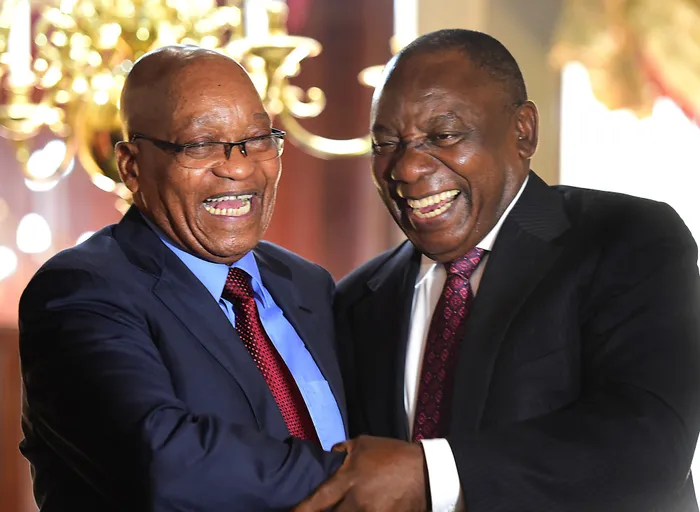
File picture of President Cyril Ramaphosa and former president Jacob Zuma having a light moment in Cape Town. United States Secretary of State Marco Rubio said rather than taking responsibility for its failings, the ANC-led South African government has sought to scapegoat its own citizens and the United States.
Image: Kopano Tlape/GCIS
United States Secretary of State Marco Rubio has delivered one of Washington’s strongest public criticisms of South Africa’s post-apartheid governance, arguing that the country abandoned the foundations laid by South Africa’s founding democratic president Nelson Mandela, and has paid a heavy economic and social price.
Rubio said: “South Africa entered the post-Cold War era with strong institutions, excellent infrastructure, and global goodwill. It possessed many of the world’s most valuable resources, some of the best agricultural land on the planet, and was located around one of the world’s key trading routes. And in Nelson Mandela, South Africa had a leader who understood that reconciliation and private sector driven economic growth were the only path to a nation where every citizen could prosper.
“Sadly, Mandela’s successors have replaced reconciliation with redistributionist policies that discouraged investment and drove South Africa’s most talented citizens abroad. Racial quotas have crippled the private sector, while corruption bankrupts the state.”
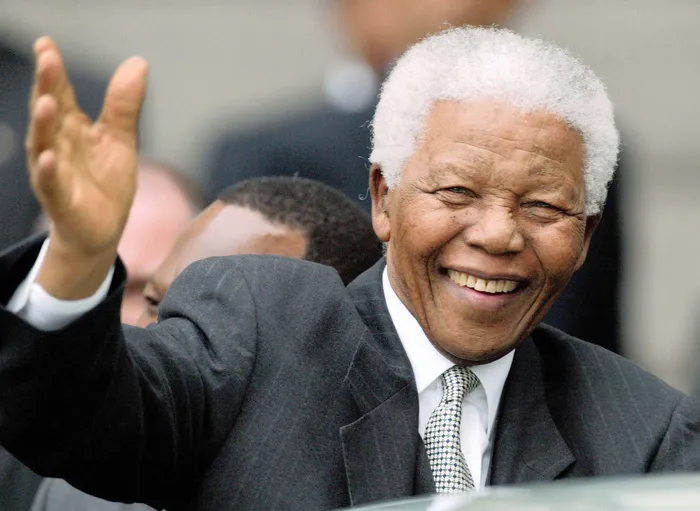
Former president Nelson Mandela
Image: Leon Lestrade/Independent Media
Rubio said the effects of these choices were visible in South Africa's economic trajectory.
“The numbers speak for themselves,” he said. “As South Africa’s economy has stagnated under its burdensome regulatory regime driven by racial grievance, it falls firmly outside the group of the 20 largest industrialized economies.”
He accused the ANC-led government of avoiding accountability for its economic decline.
“Rather than take responsibility for its failings, the radical ANC-led South African government has sought to scapegoat its own citizens and the United States,” Rubio said.
“As President Trump has rightly highlighted, the South African government’s appetite for racism and tolerance for violence against its Afrikaner citizens have become embedded as core domestic policies. It seems intent on enriching itself while the country’s economy limps along, all while South Africans are subject to violence, discrimination, and land confiscation without compensation.”
Rubio also criticised Pretoria’s foreign-policy choices.
“Its former ambassador to the United States was openly hostile to America. Its relationships with Iran, its entertainment of Hamas sympathizers, and cozying to America’s greatest adversaries move it from the family of nations we once called close.”
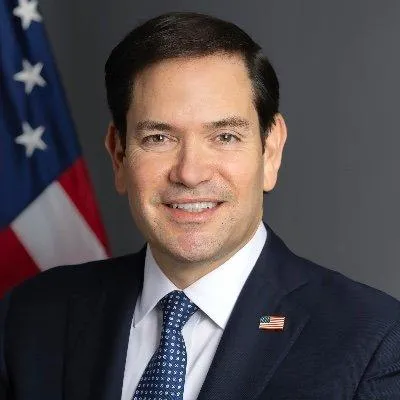
US Secretary of State, Marco Rubio
Image: X
He further accused South Africa of damaging the credibility of the G20 during its 2025 presidency.
“The politics of grievance carried over to South Africa’s Presidency of the G20 this month, which was an exercise in spite, division, and radical agendas that have nothing to do with economic growth,” Rubio said.
“South Africa focused on climate change, diversity and inclusion, and aid dependency as central tenets of its working groups. It routinely ignored US objections to consensus communiques and statements. It blocked the U.S. and other countries’ inputs into negotiations. It actively ignored our reasonable faith efforts to negotiate. It doxed U.S. officials working on these negotiations. It fundamentally tarnished the G20’s reputation.”
Rubio confirmed that the United States will not invite South Africa to participate in the 2026 G20 Summit in Miami.
“There is a place for good faith disagreement, but not dishonesty or sabotage,” he said.
“The United States supports the people of South Africa, but not its radical ANC-led government, and will not tolerate its continued behavior. When South Africa decides it has made the tough decisions needed to fix its broken system and is ready to rejoin the family of prosperous and free nations, the United States will have a seat for it at our table. Until then, America will be forging ahead with a new G20.”
The South African government had not responded to Rubio’s remarks at the time of publication.
jonisayi.maromo@iol.co.za
IOL News