Twice-yearly injection could change HIV prevention landscape in Africa
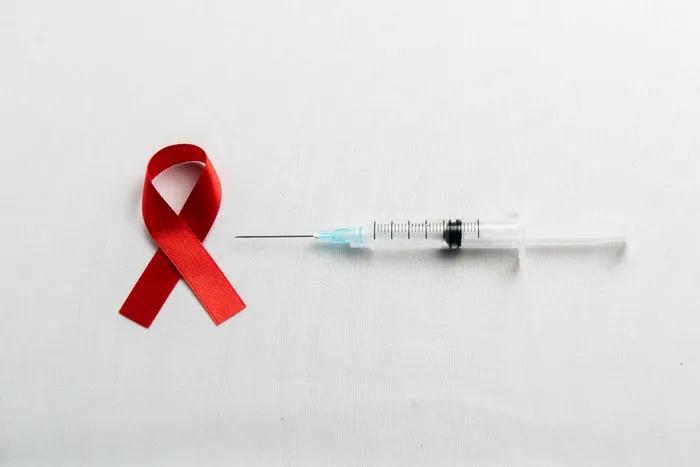
The roll-out of lenacapavir, a twice-yearly HIV prevention injection, in South Africa, Eswatini, and Zambia marks a significant milestone in the fight against HIV in Africa.
Image: File picture
SOUTH Africa, Eswatini, and Zambia have begun administering lenacapavir, a revolutionary HIV prevention injection, marking a significant milestone in the fight against HIV in Africa. The injection, taken twice a year, has been shown to reduce the risk of HIV transmission by over 99.9%, making it a game-changer in HIV prevention.
In South Africa, where one in five adults lives with HIV, the roll-out is being overseen by a Wits University research unit, funded by Unitaid. "The first individuals have begun using lenacapavir for HIV prevention in South Africa... making it among the first real-world use of the six-monthly injectable in low-and middle-income countries," Unitaid said in a statement.
IOL reported that the first doses were administered on World AIDS Day, with Zambia and Eswatini launching the drug at ceremonies in their respective countries. Manufacturer Gilead Sciences has agreed to provide lenacapavir at no profit to two million people in high HIV-burden countries over three years.
However, critics argue that this falls short of actual requirements, and the market price of $28,000 (equivalent to approximately R479,150) per person per year in the US is unaffordable for most people. Generic versions are expected to be available from 2027 at around $40 (equivalent to approximately R684) per year in over 100 countries, through agreements by Unitaid and the Gates Foundation with Indian pharmaceutical companies.
The launch comes as eastern and southern Africa account for about 52% of the 40.8 million people living with HIV worldwide. Lenacapavir offers new hope for reducing transmission rates in the most affected regions, particularly among high-risk populations such as young women and girls.
"This is a significant development in the fight against HIV," said Dr Philippe Dunoyer, CEO of Unitaid. "We believe that lenacapavir has the potential to be a game-changer in HIV prevention, and we are committed to working with governments, manufacturers, and other stakeholders to ensure that it reaches those who need it most."
The introduction of lenacapavir is also expected to address some of the challenges associated with daily PrEP pills, which have been used for over a decade to prevent HIV. "Lenacapavir's twice-yearly injection offers a more convenient and discreet option for people who may struggle with daily pill adherence," said Dr Linda-Gail Bekker, CEO of the Desmond Tutu HIV Foundation.
As the roll-out continues, health officials are optimistic that lenacapavir will play a crucial role in reducing HIV transmission and ultimately help end the epidemic.